Bojagi & Jogakbo
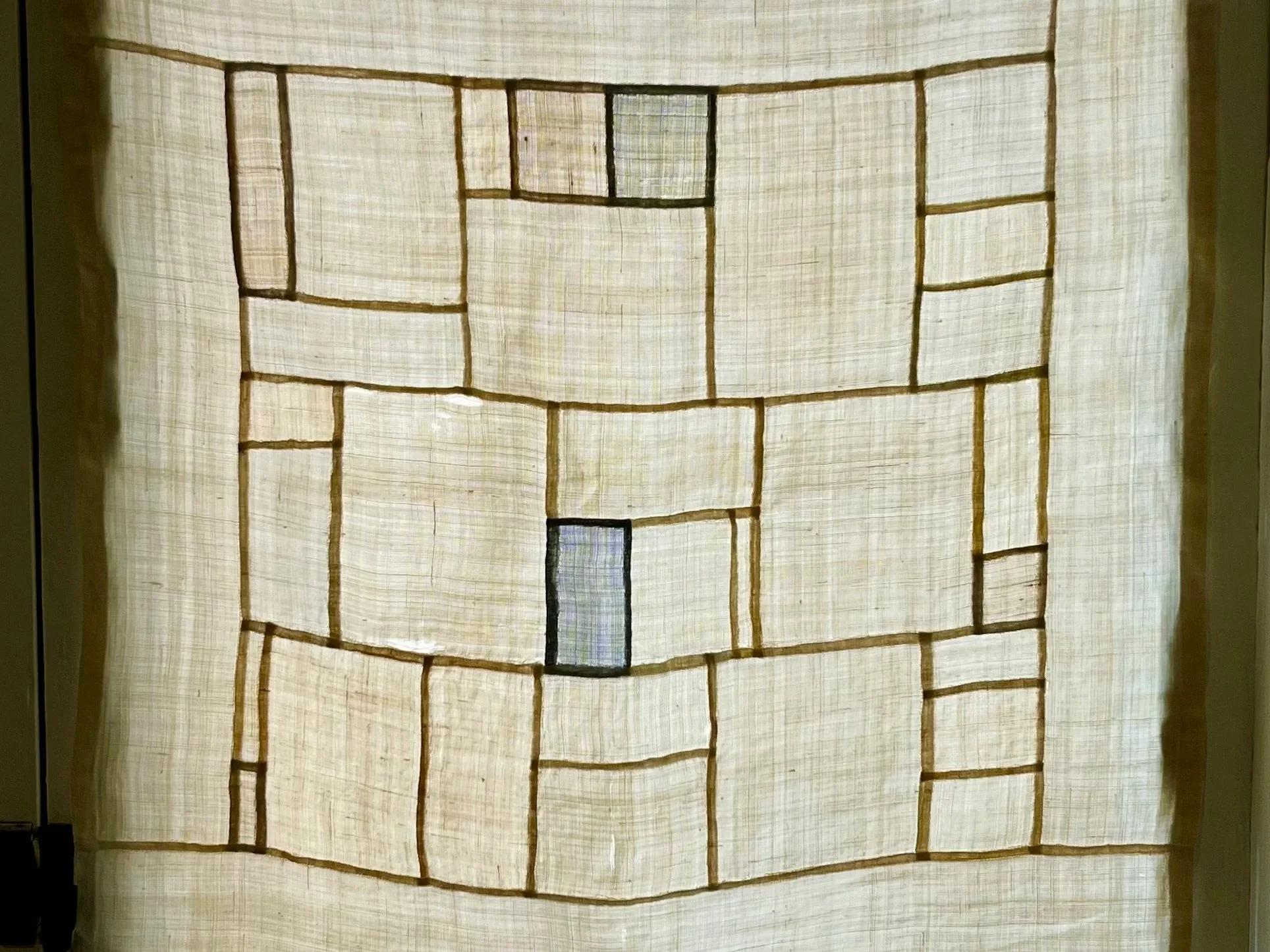
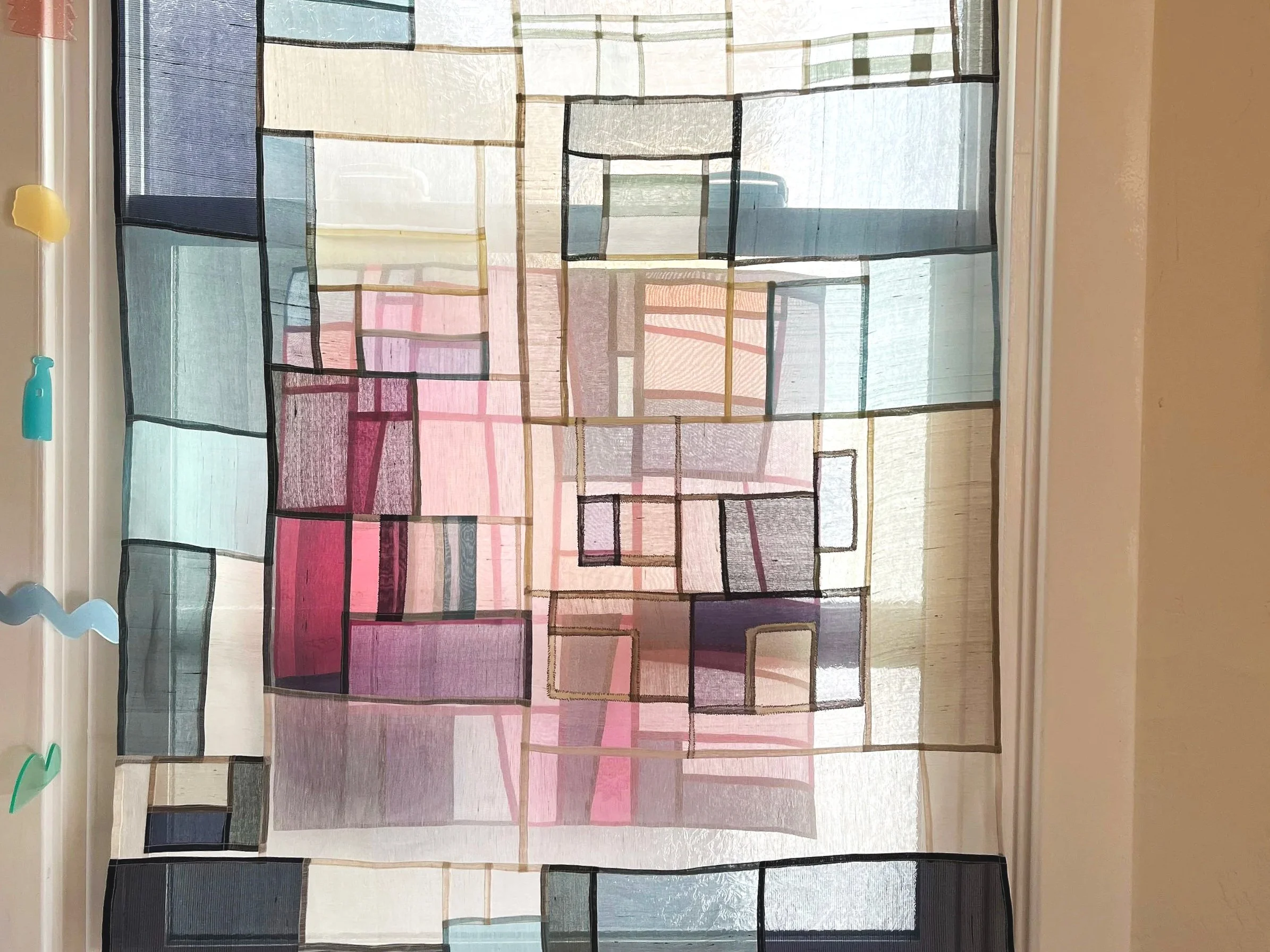
My very first Bojagi, made back in 2008.
I still remember the small, captivating workshop on the hill filled with beautiful pieces of bojagi and other hand crafted textile art. I just had to walk in, and that’s how my hand-stitching journey began. I can’t quite recall if hand-stitching led me to making clothes, or if making clothes sparked my interest in hand-stitching, but even today, I still find myself swaying back and forth between the two.
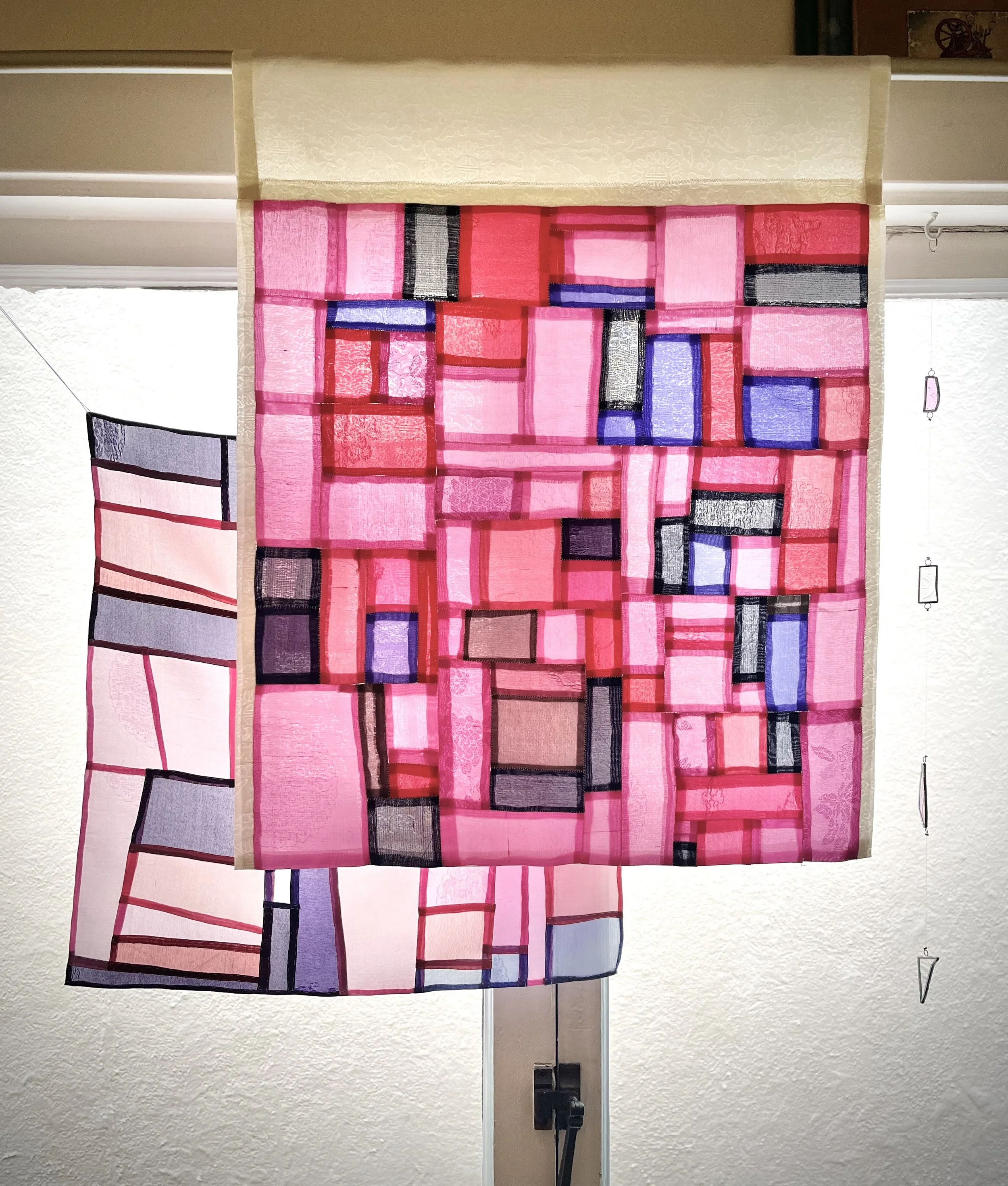
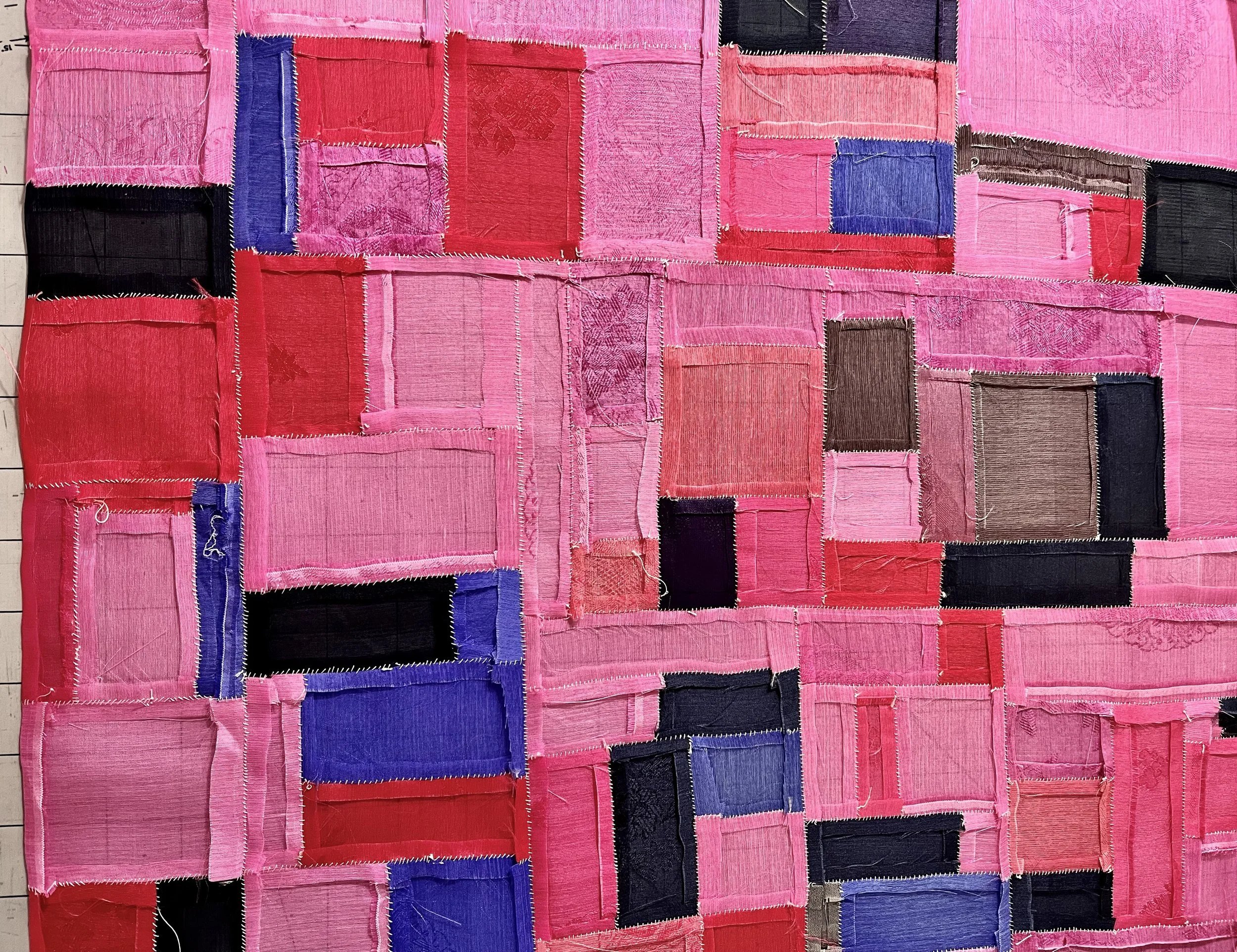
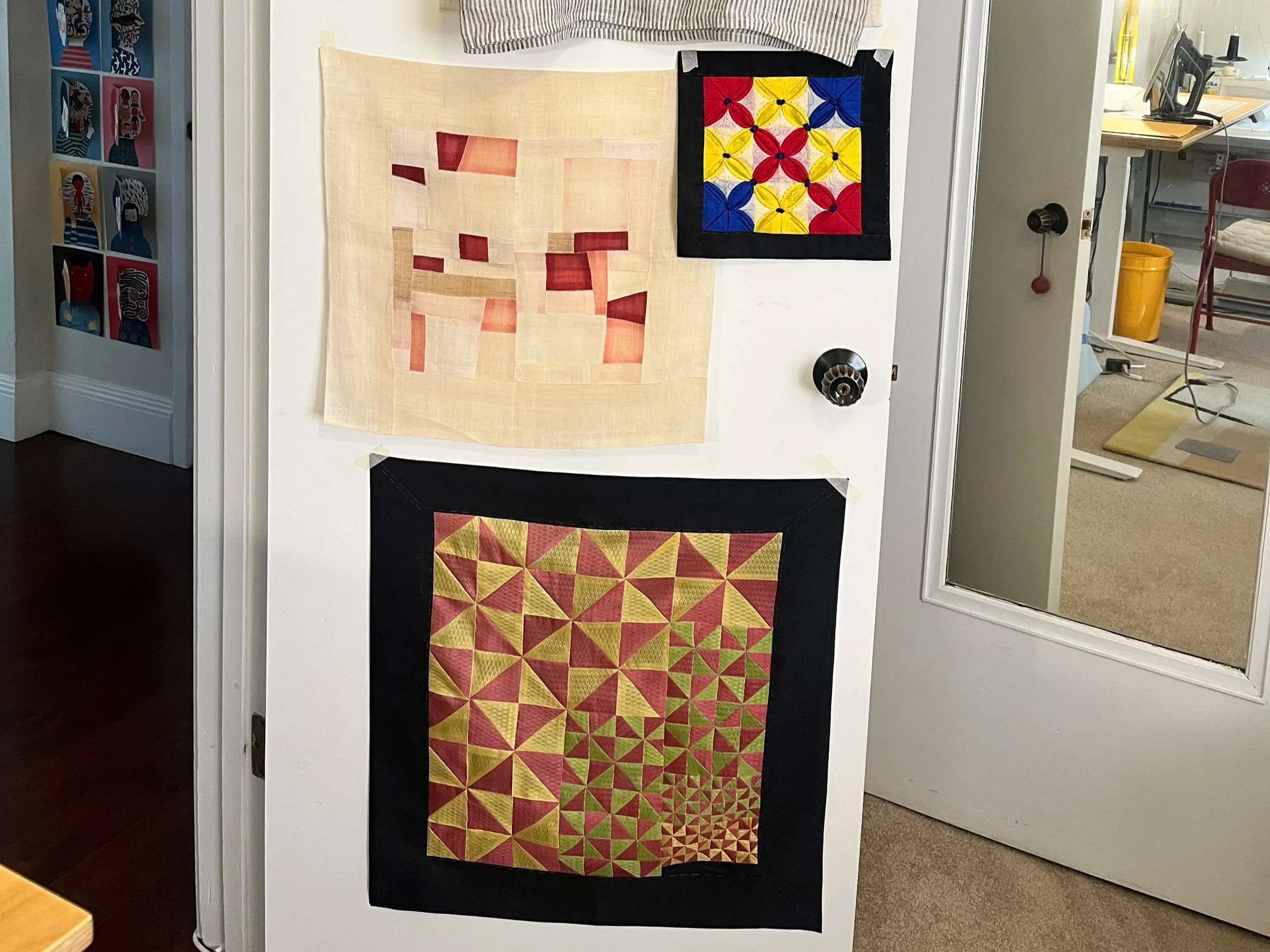
While Bojagi is a general term for traditional Korean wrapping cloths, Jogakbo is a specific type made entirely from leftover fabric scraps. That’s why my heart is drawn more to Jogakbo. There is something so beautiful about the touch of hands that gathers every single piece of fabric—ensuring nothing goes to waste—and transforms them into something stunning. I love its organic and abstract nature that grows piece by piece, following wherever your heart and hands lead—woven together by a series of moment-by-moment decisions.
***
혜화동에서 낙산 공원 올라가는 언덕에 작은 공방. 거기 주인이셨던 선생님이 만드신 작품들로 가득했던 공방이 너무 매력적이여서 문을 열고 들어갔다가 배우기 시작하게 된 손 바느질. 손바느질 하다가 옷을 만들기 시작하게 됐는지, 옷 만들다가 손바느질에 관심을 가지게 된 것인지 잘 기억이 나지 않지만, 지금도 옷 만들기와 손바느질 하기를 왔다갔다 하고 있다. 보자기는 옛날에 물건을 싸거나 덮기 위해 만들어진 천 조가리의 총칭이고, 조각보는 옷을 만들고 나서 남은 천 조각을 가지고 만든 보자기의 한 형태 이다. 그런점에서 조각보에 더 마음이 간다. 버려지는 천 조각 하나 없이 그것들을 모아서 또 아름다운 것을 만들어 내는 손 길. 빛과 바람이 부드럽게 잘 통하는 모시나 색이 고운 실크로 이어진 조각보들은 특히 더 아름답다. 특별한 패턴이 반복되는 정형화 같은 보자기도 멋지지만, 그냥 마음과 손이 가는대로 작은 조각들을 이어가다가 점점 커지면서 순간 순간의 결정이 모여 완성된 추상화 같은 조각보가 더 재미있다.