
 Image 1 of 13
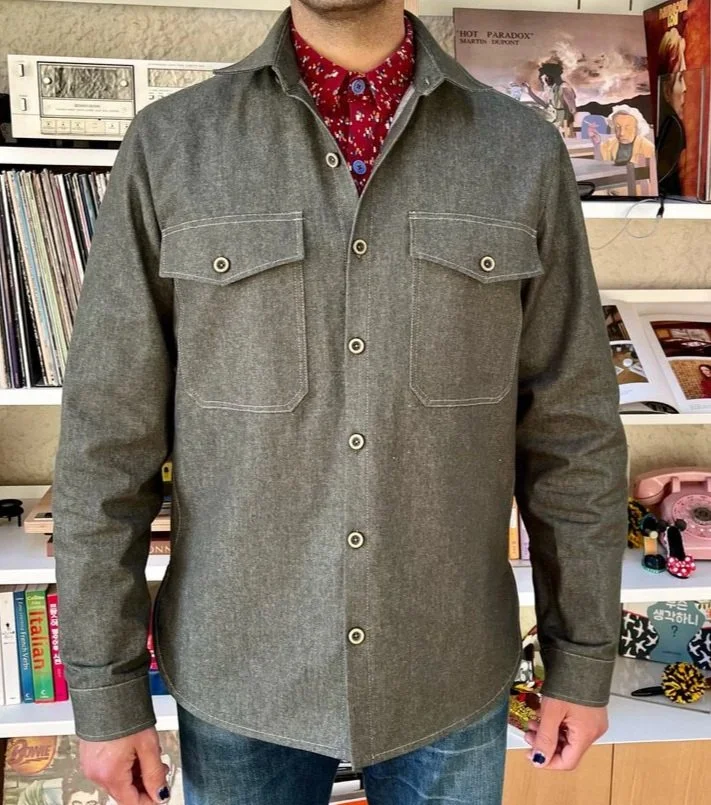 Image 2 of 13
 Image 3 of 13
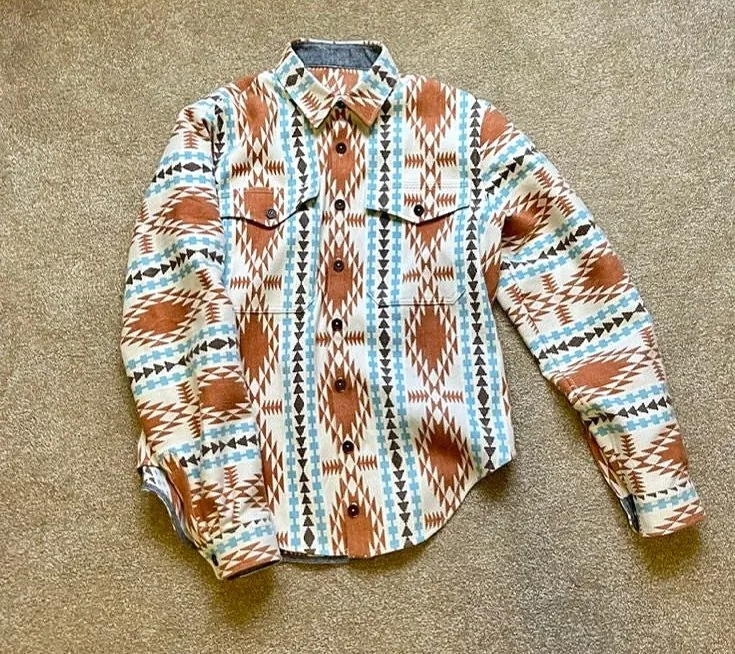 Image 4 of 13
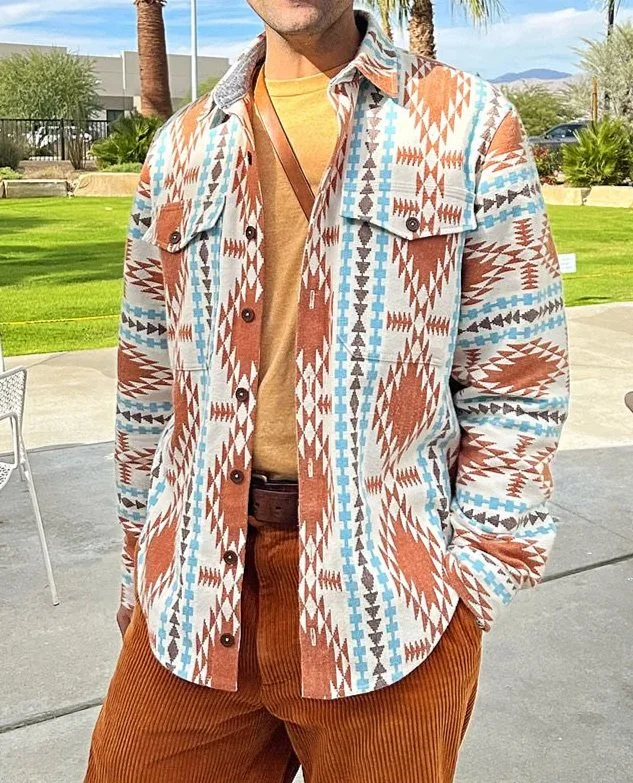 Image 5 of 13
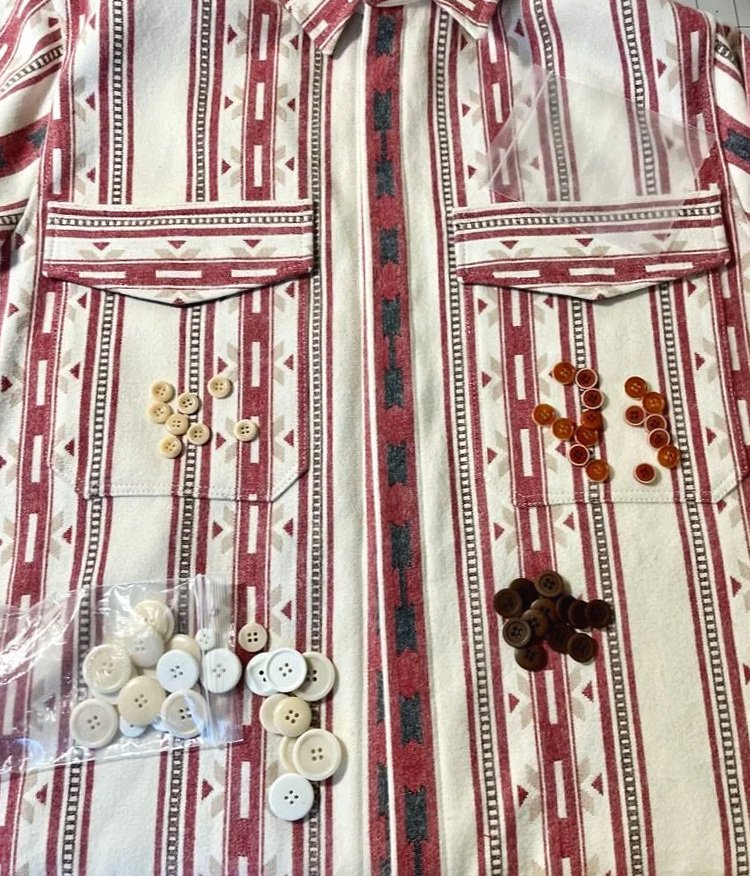 Image 6 of 13
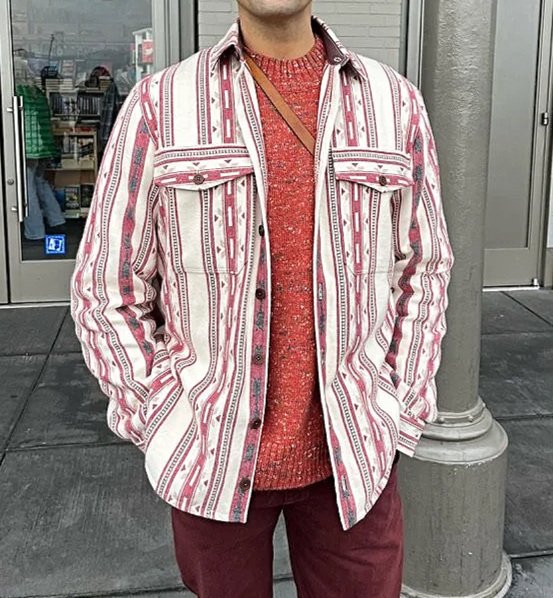 Image 7 of 13
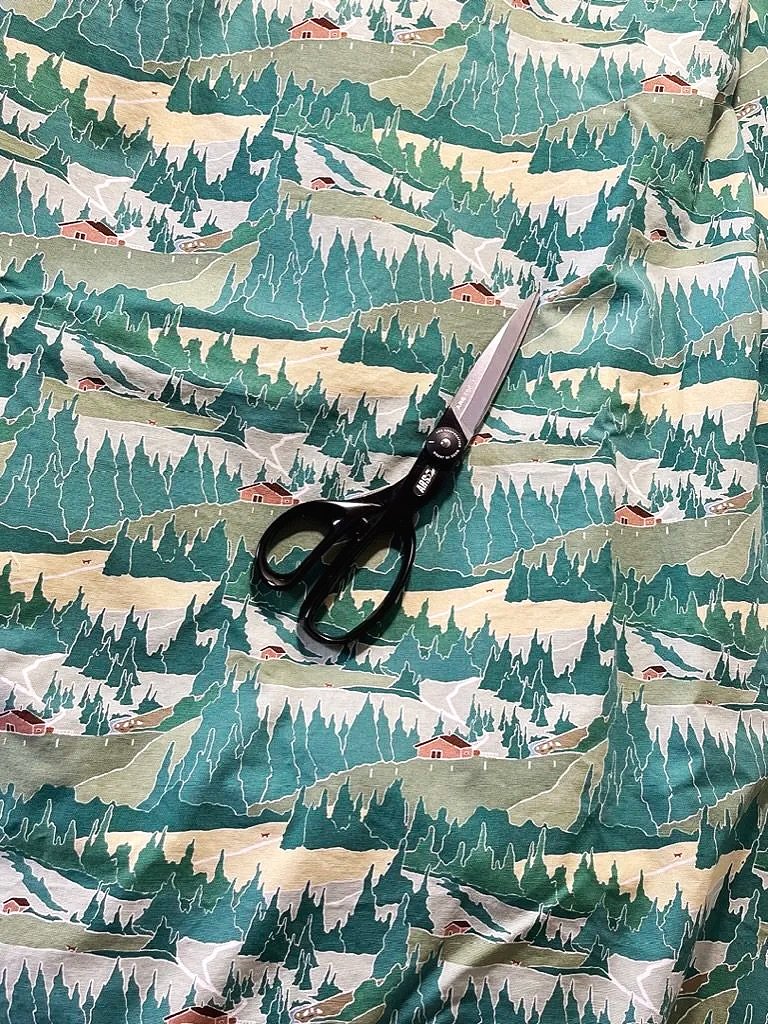 Image 8 of 13
 Image 9 of 13
 Image 10 of 13
 Image 11 of 13
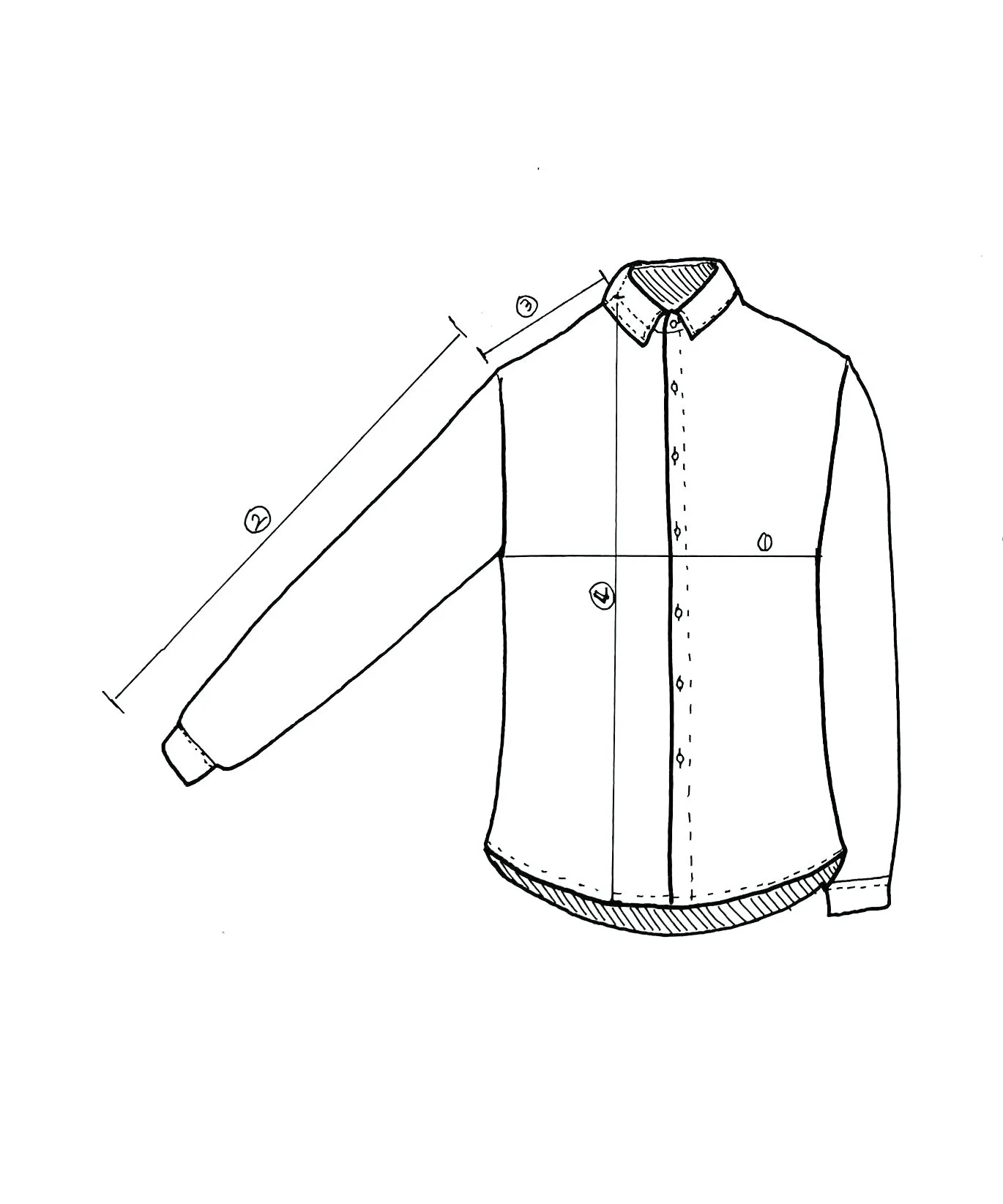 Image 12 of 13
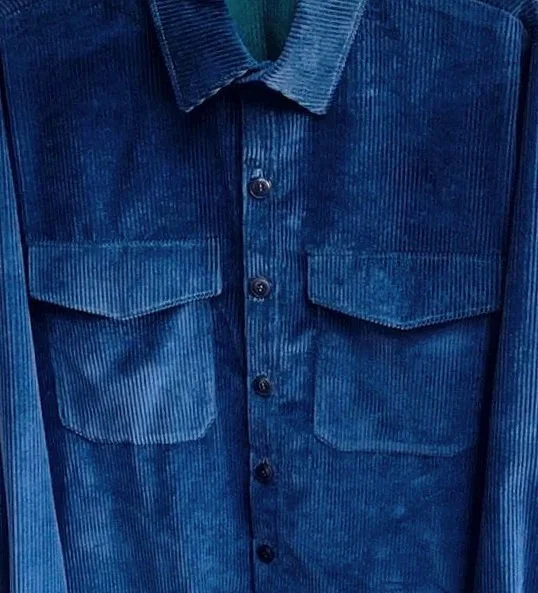 Image 13 of 13
*** How to Measure Your (Favorite) Shirt***Preparation:Lay the shirt flat on a clean, hard surface (like a table or floor).Smooth out all wrinkles so the fabric is taut but not stretched.Button the shirt completely.
The Key MeasurementsChest Width: Measure from armpit to armpit across the front of the shirt.Sleeve Length: Measure from the top of the sleeve down to the end of the cuff.Shoulder Width: Measure from the top of the sleeve head to the side neck.Body Length: Measure from the highest point of the shoulder straight down to the bottom hem.
Pro-Tip: Always measure twice to ensure accuracy before submitting your order.***How to Choose Fabric***There are two main factors to consider: first, the fiber content and weight of the fabric; second, the colors and prints. For fiber, my favorites are Cotton, Linen, or a Cotton-Linen blend. These natural fibers are wonderful to work with, feel great against the skin, and are generally easy to care for.Once you know which fiber and fabric type you are going with, consider how color and print impact the design. Your options range from versatile solid colors to a variety of scales in stripes and checks. You can also experiment with personality-driven prints, from small, delicate florals to large, bold, or abstract novelty designs. As a general rule, smaller patterns (like pinstripes or micro-checks) are more formal and slimming, while larger patterns (like bold plaids or big florals) are more casual and make a stronger style statement.Cotton Poplin provides a crisp, professional look with its smooth finish and lightweight feel.
Cotton Oxford is incredibly forgiving. Its thickness makes it easy to handle and measure, and it looks better the more you wash and wear it.
Cotton Canvas: This is an exceptionally rugged, plain-weave fabric known for its stiff structure and heavy-duty durability.
Cotton Denim: A timeless and sturdy twill-weave fabric, denim is prized for its high tensile strength and the way it develops a unique, soft character as it fades and "breaks in" over time.
Cotton Twill: Recognized by its distinctive diagonal ribbing, twill offers a perfect balance of durability and flexibility, providing a polished look that naturally resists wrinkles and hides stains well.
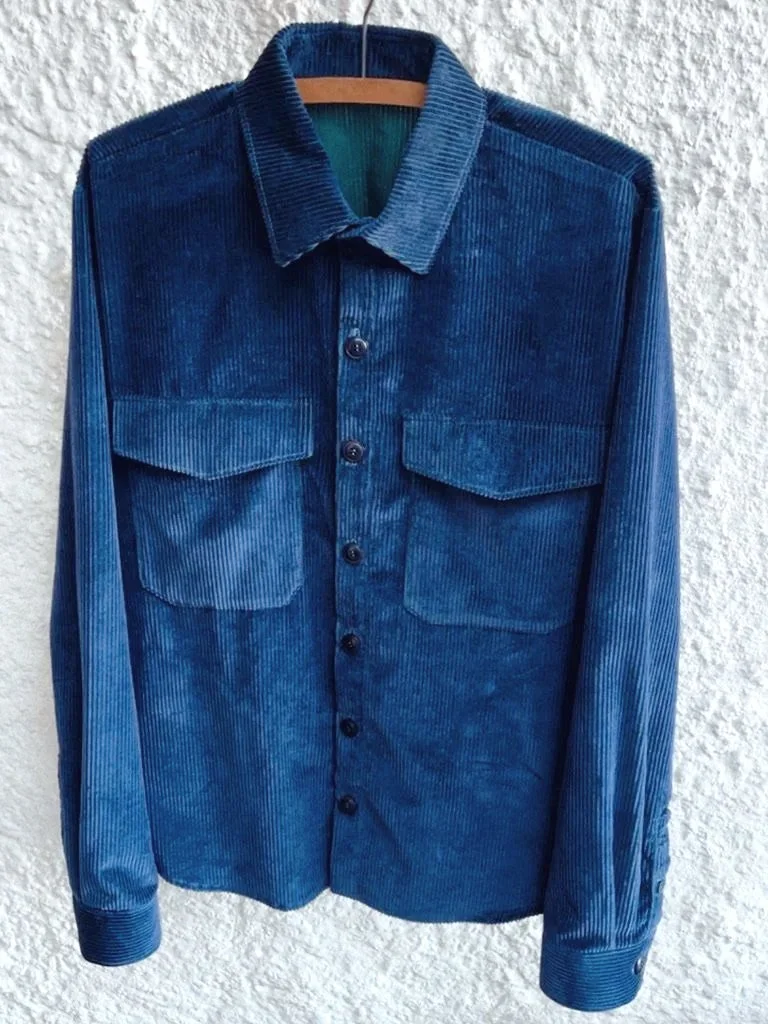
Cotton Corduroy: Featuring unique vertical ridges called "wales," corduroy is a soft yet hardy fabric that provides excellent warmth and a vintage, tactile texture that stands up well to frequent use.
Cotton Flannel: This fabric is brushed to create a soft, fuzzy "nap" that traps heat, offering a cozy and comfortable feel that is perfect for a warmer, more casual occasion.